Slovakia country profile
- Published

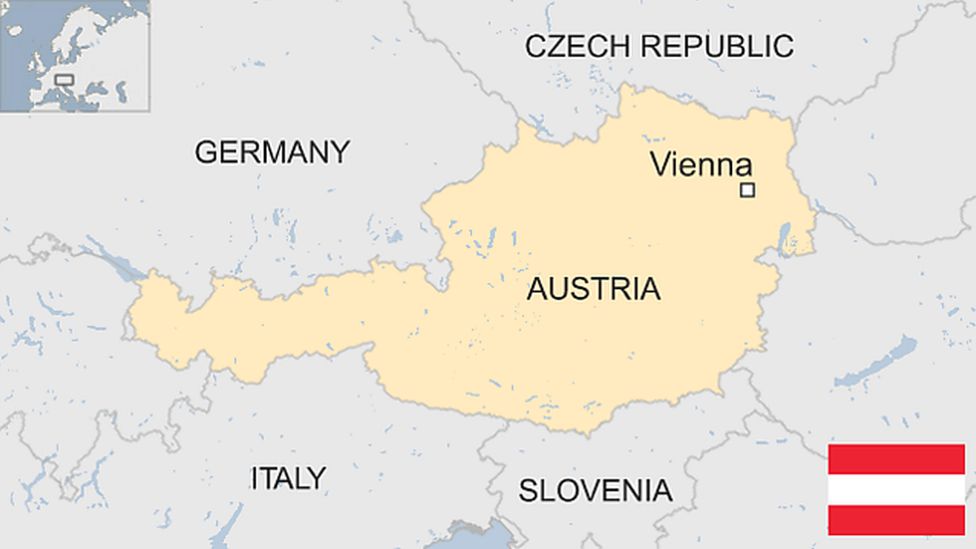
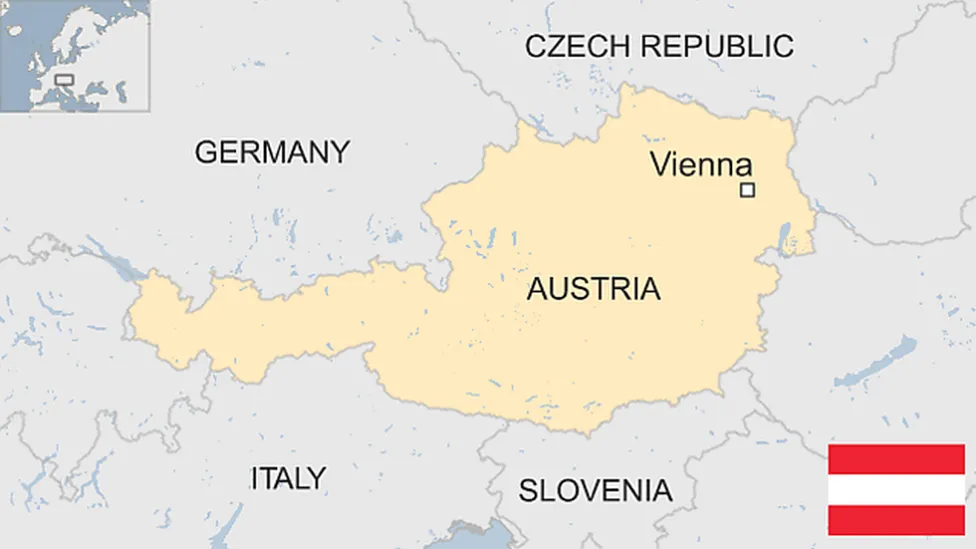
Right at the heart of Europe with a history closely intertwined with its neighbours, Slovakia has managed to preserve its own language and distinct culture.
It was part of Czechoslovakia until the "velvet divorce" in January 1993.
Independent Slovakia went through an initial period of political turbulence, but it weathered the 2008 financial crisis to emerge as a prosperous and stable parliamentary democracy.
The country joined Nato and the European Union in 2004, and the eurozone in 2009, and sent troops on peacekeeping missions to Afghanistan, Iraq, and Kosovo.
Slovakia has a significant Romany population, which suffers disproportionately high levels of poverty and social deprivation.
Since populist Robert Fico's return to the premiership in 2023 the government has moved to upturn Slovakia's criminal justice system, notably abolishing the Special Prosecutor's Office, which was set up 20 years ago to probe serious corruption and economic crime.
- Read more country profiles - Profiles by BBC Monitoring
SLOVAK REPUBLIC: FACTS
- Capital: Bratislava
- Area: 49,035 sq km
- Population: 5.4 million
- Language: Slovak
- Life expectancy: 73 years (men) 80 years (women)
LEADERS
President-elect: Peter Pellegrini

Peter Pellegrini won the April 2024 presidential elections, defeating the pro-Western Ivan Korčok, a former diplomat, with 53% of the vote, succeeding the liberal Zuzana Čaputová.
A former prime minister, he is an ally of Prime Minister Robert Fico, and shares the PM's dovish attitude towards Russia.
Slovakia had been one of Ukraine's staunchest allies before Mr Fico came to power in October 2023 on a pledge to halt supplies of Slovak military stocks to Kyiv.
With Mr Pellegrini replacing Mrs Čaputová, who steps down in June 2024, Ukraine has now definitively lost a voice of support in an EU and Nato capital.
Prime Minister: Robert Fico

Robert Fico became prime minister again in October 2023 following the September 2023 parliamentary elections that saw his left-wing nationalist Smer-SSD emerge as the largest party, winning 42 seats.
During the election campaign, Smer pledged an immediate end to military support for Ukraine but denied being pro-Russian.
Mr Fico - who has previously served as Slovakia's prime minister - signed a deal with the centre-left Hlas and nationalist SNS parties to form a coalition. Together they control 79 seats in a 150-seat parliament.
Mr Fico has already abolished the Special Prosecutor's Office that had investigated a number of senior officials in Mr Fico's Smer party.
The office had also been overseeing the prosecution of those believed to be responsible for the murder of investigative journalist Jan Kuciak and his fiancée Martina Kusnirova in 2018.
The killings were a seismic event in Slovak politics. The fallout ended Mr Fico's second premiership in 2018 and led to the liberal, pro-Western Zuzana Čaputová being elected president on a wave of popular anger at official corruption and organised crime.
MEDIA

TV is the most popular medium. Two Slovak financial groups own many of the top media outlets.
Freedom House says the media are generally free and independent. But the 2018 murder of investigative journalist Jan Kuciak and his fiancée highlighted the increasing exposure of reporters to intimidation and abuse, says Reporters Without Borders.
Robert Fico's government has set its sights on Slovakia's public broadcaster, submitting plans to abolish the institution and replace it with one under virtual state control.
Facebook is the leading social network.
TIMELINE

Some key dates in the history of Slovakia:
1st Century AD - Roman Empire establishes military forts and border settlements along the Danube.
377 - Huns cross the Danube and establish short-lived Hunnic Empire in the region under Attila.
5th Century - Slavic peoples begin settling in the area.
568 - Avars invade and settle in the Middle Danube region.
803 - Avar Khaganate collapses as a result of several successful military campaigns launched by the Franks against it.
825-870 - Principality of Nitra. First-known Christian church cnsecrated in 828 under its ruler, Pribina.
833-907 - Greater Moravia. The first major predominantly West Slavic state emerges in Central Europe.
863 - Two Byzantine officials and missionaries, Saints Cyril and Methodius arrive. Cyril develops the first Slavic alphabet and translated the Gospel into Old Church Slavonic.
11th Century - After collapse of Greater Moravia, Slovakia becomes part of the Kingdom of Hungary.
13th/14th Century - Slovakia becomes more ethnically diverse with the arrival of Carpathian German and Jewish settlers.
1536 - Following Ottoman conquests in Hungarian territory, Bratislava (historically Pressburg) is designated the new capital of Hungary rather than Buda. It remains the capital until 1848.
17th Century - Slovakia becomes the site of frequent wars between Catholics in the west and Protestants in the east, as well as against the Turks. The area is heavily fortified by castles and citadels.
1648- End of the Thirty Years War. The Counter-Reformation sees most Slovaks switch back from Lutheranism to Catholicism.
1848-49 - Slovak uprising against Hungarian domination, amid the wider revolutions an political unrest across the Austrian Empire and elsewhere in Europe.
1918 - Habsburg Empire collapses after defeat in World War One. Slovak and Czech lands unite to form Czechoslovakia, which emerges as the most democratic and prosperous of the Habsburg successor states.
1939 - Independent Slovak Republic formed after Nazi Germany and its allies dismember Czechoslovakia. It soon becomes a German satellite state.
1944 - Slovak uprising results in German occupation of Slovakia, which ends with the arrival of the Soviet Army and the re-establishment of Czechoslovakia in 1945.
1948-89 - Communist rule.
1993 - Independence after Czechoslovakia splits in the "velvet divorce".
1995 - Treaty of Friendship and Cooperation with Hungary signed, guaranteeing the existing border and ethnic minority rights.
1995 - New law restricting official use of any language other than Slovak gives rise to international condemnation.
1998 - Decision to start up first reactor at Mochovce nuclear plant not far from Austrian border angers Vienna.
1999 - Parliament ends nearly a year of constitutional crisis by passing a new law allowing president to be directly elected by the people.
2001 - Parliament approves far-reaching changes to the constitution, a key step towards gaining membership of the EU and Nato. It decentralises power to the regions, strengthens the judiciary, and gives greater recognition to minority rights.
2003 - Slovakia votes to join the EU.
2004 - Slovakia admitted to Nato and is one of 10 new states to join the EU.
2005 - Slovakia joins European Exchange Rate Mechanism, a significant step on the way to membership of the eurozone.
2006 - Floods as Danube bursts banks.
2007 - Slovakia withdraws its last troops from Iraq.
2009 - Slovakia adopts the euro.
2009 - Parliament passes new language law allowing fines to be imposed for using a minority language in government buildings. Hungary says this discriminates against the Hungarian minority.
2010 - Slovakia protests at Hungary's decision to allow ethnic Hungarians abroad to apply for citizenship and threatens to strip Slovaks who applie for dual nationality of Slovak citizenship.
2014 - Prime minister Robert Fico denounces EU sanctions against Russia over Crimean annexation, reflecting his government's policy of rapprochement with Russia.
2018 - Investigative journalist Jan Kuciak and his partner Martina Kusnirova are shot dead. He had reported on an alleged tax fraud linked to the interior minister. Prime minister Fico resigns in the aftermath of the Kuciak case.
2019 - Pro-EU opposition candidate Zuzana Čaputová becomes Slovakia's first female president.
2024 - Despite his anti-Ukrainian statements, newly-reelected prime minister Robert Fico agrees not to block the sale of military equipment to Ukraine.

- Published11 December 2023
- Published26 June 2023
- Published21 June 2023
- Published13 February
- Published14 April 2023